Both drug designing and molecular dynamic studies involve lengthy and extensive efforts that are interdisciplinary in nature. Of late, computational chemistry and molecular modeling are widely applied in the in-silico drug design. Computational in-silico drug design is widely applied in bioinformatics, computational biology and molecular biology. In-silico methods for drug designing has been proved cost effective and in the drug development. In-silico drug designing is helpful in developing active lead molecules from the preclinical discovery stage to late stage clinical development. Vast number of software is used in drug designing and in-silico methods are useful in target identification and the prediction of novel drugs.
Showing posts with label international journal of biomedical data mining impact factor. Show all posts
Monday, 3 July 2017
Friday, 30 June 2017
Shikimate Kinase of Yersinia pestis: A Sequence, Structural and Functional Analysis
Yersinia pestis, the causative organism of Plague, is widely recognized as a potential bioterrorism threat. Due to the absence of homologs in human, Shikimate Kinase (SK) is considered as an excellent drug target in several bacterial and protozoan parasites. Ample literature evidences confirm the suitability of this protein as a good target. Therefore, Shikimate Kinase of Shikimate pathway in Yersinia pestis represents an attractive drug target.
In the present study, a clustering approach was undertaken to select the proper representative for Shikimate Kinase sequences belonging to Yersinia pestis for structure determination. Three-dimensional models of the enzyme for KFB61218.1 (SK1), EFA47400.1 (SK2) and WP_016255950.1 (SK3) were generated using a comparative molecular modeling approach where structures were developed using the single specific template as well as multiple closely associated templates. The structures of Shikimate Kinase developed using comparative modeling were evaluated for stereochemical quality using various structural validation tools. Results from structural assessment tools indicated the reasonably good quality of models.
Thursday, 22 June 2017
The Neural Networks with an Incremental Learning Algorithm Approach for Mass Classification in Breast Cancer
As breast cancer can be very aggressive, only early detection can prevent mortality. The proposed system is to eliminate the unnecessary waiting time as well as reducing human and technical errors in diagnosing breast cancer. The correct diagnosis of breast cancer is one of the major problems in the medical field. From the literature it has been found that different pattern recognition techniques can help them to improve in this domain.
This paper uses the neural networks with an incremental learning algorithm as a tool to classify a mass in the breast (benign and malignant) using selection of the most relevant risk factors and decision making of the breast cancer diagnosis To test the proposed algorithm we used the Wisconsin Breast Cancer Database (WBCD). ANN with an incremental learning algorithm performance is tested using classification accuracy, sensitivity and specificity analysis, and confusion matrix. The obtained classification accuracy of 99.95%, a very promising result compared with previous algorithms already applied and recent classification techniques applied to the same database.
Thursday, 1 June 2017
In silico Study of Bacillus brevis Xylanase - Structure Prediction and Comparative Analysis with Other Bacterial and Fungal Xylanase
The most important building block of hemicelluloses is xylan. It is broken down into xylose oligomer residues by Xylanase - an enzyme, produced by most organisms, to utilize xylose as primary source of carbon. The Xylanase produced are classified into families, viz 5, 8, 10, 11 and 43 - of Glycoside Hydrolases (GH).
Xylanase from family GH 11 are monospecific, they consist solely of Xylanase activity, exclusively active on D-xylose containing substrates.They are inactive on aryl cellobiosidase. The fungal Xylanase are produced in higher concentrations, as compared to bacterial Xylanase, but have limited use in pulp bleaching, as they affect the viscosity and strength of the product. In the present study, we have worked upon the Xylanase of Bacillus brevis, which is fulfilling all the required quality needed to be a commercial Xylanase, and thus is used by many industries. The enzyme, when studied after modelling, provided similar structural configuration with high stability. When compared with other bacterial and fungal Xylanase structures, it provided better potential to ‘activity enhancement’ and ‘in silico handling’.
Tuesday, 30 May 2017
Bio-Analytical Method Development and Validation for Estimation of Lume fantrine in Human Plasma by Using Lc-Ms/Ms
Lumefantrine
and Glimepiride (IS) were extracted from human plasma by Precipitation followed
by Solid phase extraction using Orochem (30 mg/1 CC) solid phase extraction
cartridge. The chromatographic separation was performed on Hypurity C18 (50
cm×4.6 mm), 5 μ column. The mobile phase consisted of Acetonitrile: 2 mM
Ammonium Acetate (pH: 3.5) (90:10, % v/v) was delivered at rate of 0.600 mL/min
with Splitter. Detection and quantitation were performed by a triple quadrupole equipped with electro spray ionization and multiple reaction monitoring inpositive ionization mode (API 3000). The most intense [M-H]- transition for
Lume fantrine at m/z 528.0→510.0 and for IS at m/z 491.2→352.0 were used for
quantification.
Monday, 22 May 2017
Sequence Features and Subset Selection Technique for the Prediction of Protein Trafficking Phenomenon in Eukaryotic Non Membrane Proteins
Protein
trafficking or protein sorting is the mechanism by which a cell transports
proteins to the appropriate position in the cell or outside of it. This
targeting is based on the information contained in the protein. Many methods predict the sub cellular location of proteins in eukaryotes from the sequence information. However, most of these methods use a flat structure to perform
prediction. In this work, we introduce ensemble methods to predict locations in
the eukaryotic protein-sorting non membrane pathway hierarchically.
We used
features that were extracted exclusively from full length protein sequences
with feature subset selection for classification. Sequence driven features,
sequence mapped features and sequence auto correlation features were tested with ensemble learners and classifier performances were compared with and without feature subset selection technique. This study shows the new features extracted
from full length eukaryotic protein sequences are effective at capturing
biological features among compartments in eukaryotic non membrane pathways at
two levels. Feature subset selection techniques helped to reduce the time taken
for building the classification model.
Friday, 12 May 2017
Editorial for International Journal of biomedical Data Mining
This issue of the International
Journal of Biomedical Data Mining presents two contributed articles. The first article, entitled Data Inventory for Cancer Patients Receiving Radiotherapy for Outcome Analysis and Modeling, authored by Jason Vickress, Rob Barnett and Slav
Yartsev, describes a database created for storing and analyzing patient
specific data related to pre-treatment condition, treatment planning, and
treatment outcomes, for patients receiving radiotherapy based cancer treatment.
The proposed database can perform automated analysis regarding quality
assurance, dose accumulation for multiple treatments on different machines and
can assist physicians in choosing the optimal radiation therapy for new
patients. The second article, entitled Likelihood Ratio Test of Hardy-Weinberg Equilibrium Using Uncertain Genotypes for Sibship Data, authored by Qiong Li,
Helene Massam and Xin Gao, is concerned with the problem of testing for
Hardy-Weinberg equilibrium of genotype frequencies in the area of population
genetics.
Wednesday, 10 May 2017
Likelihood Ratio Test of Hardy-Weinberg Equilibrium Using Uncertain Genotypes for Sibship Data
Testing for Hardy-Weinberg
equilibrium of genotype frequencies is a crucial first step in the study of
population genetics. In this paper, we develop an Expectation-Maximization algorithm to estimate the genotype frequencies for sibship data with genotype uncertainty. We also develop a likelihood ratio test of Hardy-Weinberg
equilibrium for sibships with no parental genotypes available and with possible
genotyping errors. Simulations show that our likelihood ratio test maintains
valid control of the type I error rate and good statistical power. Finally, the
likelihood ratio test is extended across strata when a sample is stratified by
multiple ethnic populations with different genotype frequencies.
Tuesday, 9 May 2017
Data Inventory for Cancer Patients Receiving Radiotherapy for Outcome Analysis and Modeling
Data collection for cancer patients
is recognized as an important task in the USA, where the National Program of
Cancer Registries (NPCR) administered by the Centers for Disease Control and Prevention collects data on the occurrence, type, extent, and location of the
cancer, and the type of initial treatment. The International Consortium for
Health Outcomes Measurements (ICHOM) aims at providing a global resource of
in-use outcome measures and risk adjustment factors by medical condition and
creating a global standard for measuring results.
These initiatives will enable
public health professionals to understand and address the cancer burden more
effectively. We have recently proposed to use the pre-treatment, planning, and treatment outcomes data for cancer patients undergoing radiation therapy to provide guidelines for optimal choice of both radiation modality and planning for new patients. It is important to determine the most influential patient
features (or their combinations) that has the strongest correlation with the
outcomes. We propose an Overlap Volume Histogram as a valuable representation
of size and shape for tumor and organs at risk important for planning.
Tuesday, 2 May 2017
A Similarity Retrieval Tool for Functional Magnetic Resonance Imaging Statistical Maps
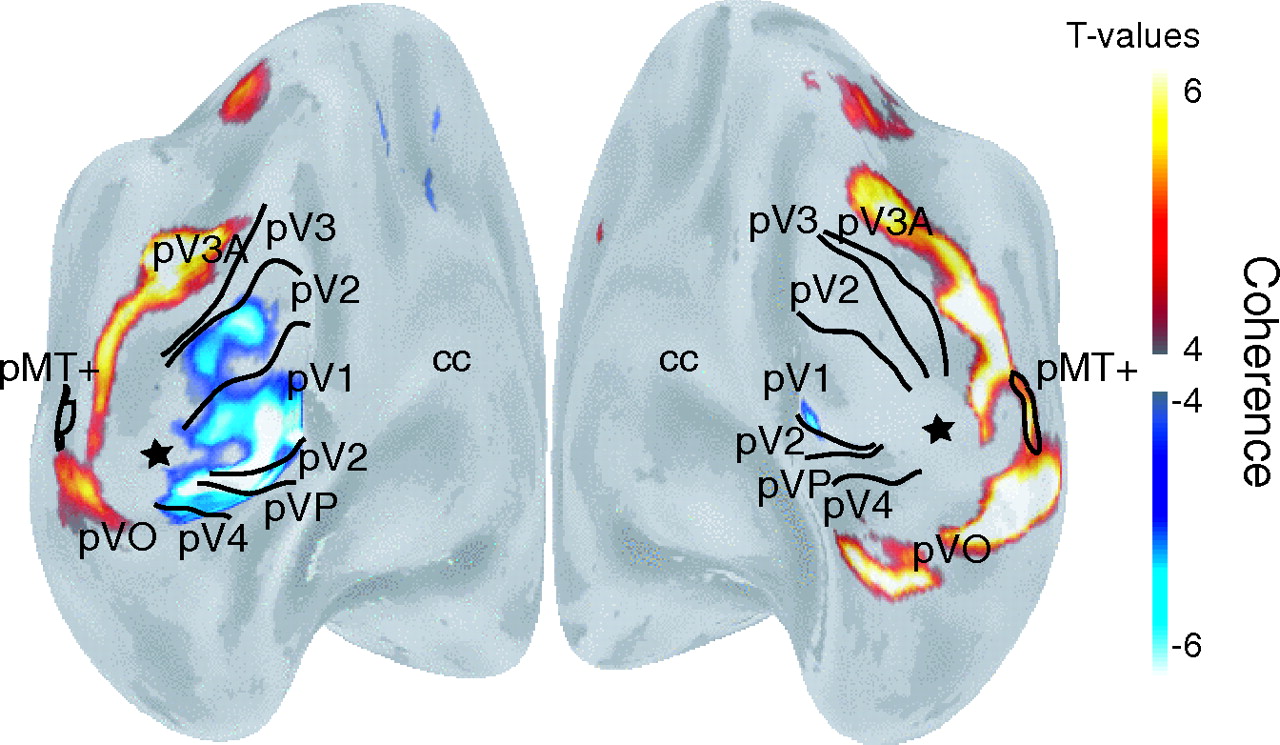
A fundamental goal in functional
neuroimaging is to identify areas of activation in the brain relative to a
given task. Functional magnetic resonance imaging (fMRI) is one technique used to identify such changes because changes in neuronal activity along a given region of the brain can be captured by a corresponding change in voxel value intensity on the acquired fMRI image. Statistical parametric mapping (SPM) [13]
is the current popular technique used to analyze fMRI images. An SPM image
contains test statistics determined at each pixel by the ratio between the
intensity of the signal and its variance across experimental conditions.
Tuesday, 18 April 2017
Evaluating the Impact of Different Factors on Voxel-Based Classification Methods of ADNI Structural MRI Brain Images
In this work we introduce the use
of penalized logistic regression (PLR) to the problem of classification of MRI
images and automatic detection of Alzheimer’s disease. Classification of sMRI
is approached as a large scale regularization problem which uses voxels as
input features.
We evaluate how differences in sMRI pre-processing steps such
as smoothing, normalization, and template selection affect the performance of
high dimensional classification methods. In addition, we compared the relative performance of PLR to a different approach based on support vector machines. To
study these questions we used data from the Alzheimer Disease Neuroimaging
Initiative (ADNI).
Friday, 17 March 2017
Selenoergothionein as a Potential Inhibitor against Amyloid β-Protein (Aβ): Docking and Molecular Dynamics Studies
Alzheimer‘s disease (AD) is a
progressive neurodegenerative disorder, encircling the deterioration of cognitive functions and behavioral changes, characterized by the aggregation of
amyloid β-protein (Aβ) into fibrillar amyloid plaques in elected areas of the
brain with the lipid-carrier protein Apo lipoprotein E (apoE), the microtubule
associated protein tau, and the presynaptic protein α-synuclein.
High levels of
fibrillary Aβ, the main constituent of senile plaques, are deposited in the AD
brain that outcome in the thrashing of synapses, neurons and destruction of
neuronal role. Aβ is derived from the amyloid precursor protein through sequential protein cleavage by aspartyl protease, β-secretase and presenilin-dependentβ-secretase triggering a spill of events such as oxidative damage,neurotoxicity, and inflammation that contributes to the progression of AD.
Wednesday, 15 March 2017
Next generation sequencing facilitate Efficient Biomedical Solutions
Both Genomics and molecular biology
have served as a source of inspiration for the biology and biotechnology
research globally. They could generate vast data called bioinformatics and analysis of this data would provide valuable information for drug development,
control and innovative diagnostic technologies. This could cut the laboratory
costs considerably. Bioinformatics plays a crucial role in analysing genome
sequencing and viral sequencing in the most efficient manner, leading to the
next generation sequencing.
Thursday, 12 January 2017
DNA/RNA Fragmentation and Cytolysis in Human Cancer Cells Treated with Diphthamide Nano Particles Derivatives
Molecular
structure activity studies for some Diphthamide Nano particles derivatives
indicate that the conformational characteristics along with the nature and
position of the substituents on the Diphthamide Nano particles derivatives ring
play an important role in their biological and biochemical activities.
Therefore, we have calculated the optimized molecular geometries of some
Diphthamide Nano particles derivatives. Calculations are carried out on the structures of these medical, medicinal and pharmaceutical Nano drugs using
Hartree–Fock calculations and also Density Functional Theory (DFT) by
performing HF, PM3, MM2, MM3, AM1, MP2, MP3, MP4, CCSD, CCSD(T), LDA, BVWN,
BLYP and B3LYP levels of theory using the standard 31G, 6–31G*, 6–31+G*,
6–31G(3df, 3pd), 6–311G, 6–311G* and 6–311+G* basis sets of the Gaussian 09.
Subscribe to:
Posts (Atom)